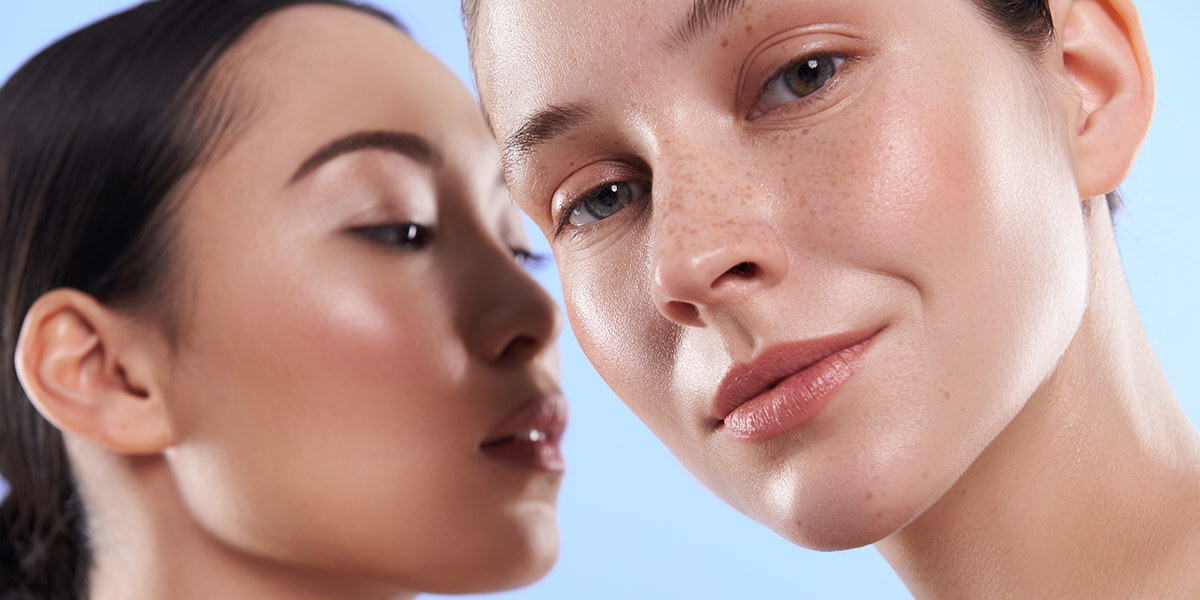



Dubai summer can create an unusual combination for the skin. Your face may feel oily by midday, yet tight or dehydrated after spending hours in air conditioning. Add sweat, sunscreen, makeup and repeated movement between outdoor heat and cooled indoor spaces, and congestion or dull looking skin can become more noticeable.
This is why HydraFacial attracts seasonal attention in Dubai. The process unites cleansing, exfoliation, extraction and hydration into one treatment. It is not a way to cure summer as such; rather, it tackles various problems that usually come up in the heat, including skin buildup, clogged pores and dehydration.
However, what does science say about summer skin and the place of HydraFacial there?
What Actually Happens to Skin in Hot Weather?
In general, it is quite easy to call the skin “oily” during the summer season. However, there is more about it.
One of the controlled experiments, which have been published in the Journal of the European Academy of Dermatology and Venereology, was devoted to the skin changes which took place after exposure to the summer season. Some indicators such as hydration, sebum production, transepidermal water loss (TEWL), pH, and greasiness were measured. Hot conditions were associated with sweating, sebum production, TEWL, and greasiness. Besides, the changes in hydration depended on the localization and transfer into the environment.
First of all, this question is especially relevant for summer skin care in Dubai. It should be clearly understood that higher sebum production does not always guarantee good hydration. That is, a person can have oily skin that is dehydrated.
So, it is necessary to pay attention to the fact that it is not quite right to limit summer skin care to the elimination of oils.
Why Does HydraFacial Fit Into a Summer Skincare Routine?
HydraFacial is a device based facial treatment rather than a single skincare product. Its core process uses Vortex Fusion technology to cleanse and exfoliate the skin, remove impurities through suction and deliver hydrating topical serums.
Those stages correspond with several concerns that can become more noticeable during Dubai’s hotter months.
| Summer skin concern | Relevant HydraFacial step | Intended purpose |
| Sweat, oil and surface build up | Cleansing | Removes surface debris and prepares the skin |
| Dead skin cell accumulation | Exfoliation | Removes superficial dead skin cells |
| Congested pores | Extraction | Uses suction to remove pore debris |
| Dehydrated feeling skin | Hydration | Delivers moisturising and hydrating ingredients |
This does not mean everyone needs a HydraFacial in summer, nor that the treatment prevents problems caused by heat or UV exposure. Its relevance is more practical: cleansing, extraction and hydration can address several cosmetic skin concerns within one session.
1. It Addresses the Oil and Dehydration Combination
One of the puzzling aspects of summer skin is that there can be oiliness and dehydration occurring simultaneously.
The sebum is the oil which is secreted by the sebaceous glands while skin hydration is the amount of water in the skin. The excessive sweat, environmental factors and time in air conditioned surroundings will impact the texture and functioning of the skin. Using harsher cleansers for an oily face might not be the ideal choice for everyone.
The HydraFacial treatment performed in Dubai involves both the process of clearing up the skin along with the hydration process instead of just focusing on degreasing. This makes it applicable for individuals who experience congestion, oiliness and dehydrated skin during the summer.
The choice of the intensity of the treatment along with the product selection needs to be done depending on the type and condition of the individual’s skin.
2. Cleansing and Extraction Can Help With Summer Congestion
Sweat alone does not necessarily lead to clogged pores, although it might in the summertime when combined with sebum, sunscreen, makeup, or any other substance on the skin.
HydraFacial applies vacuum extraction of sebum and other substances out of pores following cleansing and exfoliation. Some scientific studies suggest that HydraFacial may be used for problems associated with skin congestion, although they should be carefully considered.
A 12 week experiment was conducted on 20 patients with mild to moderate acne who received six treatments of HydraFacial Clarifying every two weeks. It has been noted that there is an improvement in the condition of the acne during the treatment period. Nevertheless, the number of the patients participating in the experiment was limited, there were neither placebo nor control groups, and among the authors of this research, there was a representative of The HydraFacial Company.
Acne must be evaluated appropriately rather than regarded as simply a facial problem.
3. Hydration Becomes Part of the Treatment, Not an Afterthought
Sometimes, individuals attempt to counteract the oiliness caused by summer through getting rid of the oil as much as possible. However, in doing this, people may fail to consider what is happening with their skin barrier and hydration.
The last part of HydraFacial is supposed to include the application of hydrating and moisturizing substances following the cleansing and extractions procedures. According to the manufacturer, there are improvements in terms of hydration after clinical tests carried out, although this information comes from company related research and must be considered as such.
For a patient, the more important issue is that hydration is integrated into the procedure while assuming that skin that looks oily requires additional cleansing.
4. It Is a Non Invasive Option During a Season of High Sun Exposure
The summer season in Dubai also involves significant UV exposure. The process of hydra facial does not involve any abrasion to the skin surface and hence is non invasive.
This does not mean that there is no need for sun protection after treatment.
The patient will still require proper care of their skin and should adhere to the instructions of the practitioner regarding use of sunscreen, heat, physical activity, swimming, active ingredients in their skincare products, and sun exposure.
Is HydraFacial Suitable for Every Skin Type in Summer?
Not necessarily.
A person who might want to have HydraFacial facial in Dubai may have problems like oily skin, dry skin, sensitivity, active acne, rosacea, hyperpigmentation or any other problem which will need to be treated using a different method. Products used, exfoliation chemicals, suction and additional options in the treatment process might need to be modified too.
It is necessary then to understand first what is going on with the skin, and not just to choose HydraFacial treatment just because it is summer.
HydraFacial Does Not Replace Summer Skin Protection
This is significant. While HydraFacial may cleanse, exfoliate, extract, and hydrate, it cannot shield the skin from ultraviolet rays.
Sunscreen every day, avoiding the sun, proper cleansing, and a suitable skin care regimen for the individual are all still very important during the Dubai summer season. The facial must enhance these practices rather than replace insufficient sun protection.
Why HydraFacial Makes Sense as a Summer Treatment in Dubai
Understanding the popularity of the HydraFacial treatment in Dubai during the summer can be made possible by understanding its relevance relative to how high temperatures affect skin. For instance, excessive sweat and sebum may cause the skin to feel greasy or clogged, and hydration levels might vary based on exposure from the sun to the cool environment inside.
The benefits of HydraFacial are the combination of cleansing, exfoliation, extraction and hydration all in one non invasive process, making it relevant to most of the above listed cosmetic issues. However, it is essential to understand that the treatment has limitations since it cannot protect the skin from UV rays or take the place of daily skincare and produce identical results on everyone.
At The Nova Clinic, the right approach starts with identifying the skin type and suitability for this procedure, especially considering sensitivity, acne, and other skin conditions.
Written & Medically Reviewed by The Nova Clinic Team
This content is compiled and medically reviewed by qualified Doctors at The Nova Clinic having 25+ years of collective experience. Content is updated regularly for guidance on current techniques, pricing, and clinical best practices.