


Work pressures, frequent traveling, insomnia, and erratic dietary patterns can eventually impact how individuals feel and operate. In Dubai, this has become one of the reasons behind rising popularity of personal wellness programs, health screening, and longevity services.
Yet making the choice of a therapy prior to having an insight into one’s health requirements could result in unnecessary therapies and unreasonable expectations. For instance, someone dealing with constant tiredness could be better off with determining a deficiency in vitamins or sleep issues rather than getting an infusion or other therapies right away.
Modern wellness therapies in Dubai involve a variety of diagnostic services, nutrition counseling, lifestyle planning, and well-chosen clinical treatments. The spectrum is wide and includes such services as biological age evaluation, genetic analysis, IV therapy, regenerative medicine, and temperature therapies.
At The Nova Clinic, the approach to wellness includes physician led assessments and individualised care planning. Understanding how these services differ can help patients make informed decisions about their long term health.
What Are Wellness Treatments in Dubai?
Wellness treatments in Dubai include diagnostic testing, nutritional guidance, lifestyle interventions and selected medical therapies intended to address individual health concerns. Services may involve blood analysis, biological age testing, genetic assessments, IV infusions and recovery procedures. Their suitability depends on medical history, clinical findings, available evidence and professional assessment.
Rather than viewing wellness as a collection of individual procedures, it can be more useful to consider how assessment, intervention and follow up work together.
For instance, someone concerned about low energy may need an assessment of sleep, diet, medication use and relevant blood markers before a practitioner determines whether any additional intervention is appropriate.
Advanced Diagnostic Testing for Personalised Wellness
Diagnostic assessments can provide information about specific aspects of health, although different tests have different levels of clinical usefulness. Not every available test is necessary for every patient.
Biological Age Testing
Biological age testing examines selected biomarkers associated with ageing, rather than relying exclusively on chronological age.
Some assessments use epigenetic markers, including DNA methylation patterns, to estimate biological ageing. These measurements are being studied in longevity research, but their interpretation and clinical applications continue to develop.
The Nova Clinic’s wellness programmes reference epigenetic biological age testing as part of broader functional health assessments.
A biological age result should not be interpreted as a definitive prediction of lifespan or proof that a particular intervention has reversed ageing.
Whole Genome Sequencing and Genetic Testing
WGS entails the study of almost all parts of an individual’s DNA sequence. This differs from targeted genetic panels in that it involves the study of specific genes or genetic variations. A genetic evaluation might help in revealing inherited predispositions and some other significant medical genetic findings. Nevertheless, the discovery of a genetic variation is not synonymous with developing any disease.
According to the Nova Clinic, DNA testing and genetic evaluations are among their offerings as part of their concept of wellness. The availability of WGS in particular needs to be confirmed prior to publishing. Genetic counseling may be necessary where the findings affect the medical and other decisions of the individual or family members. Other concerns include data privacy and possible unanticipated findings.
Comprehensive Blood Tests
Blood testing is often a practical starting point for investigating specific health concerns.
Depending on symptoms, medical history and clinical judgement, a practitioner may recommend assessments involving:
- Complete blood count and selected nutritional markers
- Blood glucose and HbA1c
- Lipid profiles
- Thyroid function
- Kidney and liver function
- Hormonal markers where clinically indicated
These investigations may identify findings that require further assessment, but broad testing without a clear clinical purpose can also produce incidental results.
Gut Microbiome Testing
The gut microbiome refers to the microorganisms living within the digestive tract.
Microbiome testing typically involves analysing a stool sample to describe aspects of microbial composition. Research continues to explore associations between the microbiome, digestion, metabolism and other aspects of health.
The Nova Clinic offers microbiome testing as part of its diagnostic services.
However, microbiome results do not independently diagnose most gastrointestinal conditions, and their ability to guide specific treatments remains an evolving area of research.
Food Intolerance Testing
Food intolerance assessments may be considered when patients experience recurring digestive discomfort after eating particular foods.
The appropriate investigation depends on the suspected condition. For example, lactose intolerance may be evaluated differently from coeliac disease or food allergy.
It is also important to distinguish validated diagnostic approaches from commercially available food sensitivity panels. The American Academy of Allergy, Asthma & Immunology advises against using food specific IgG testing to diagnose food intolerance or sensitivity.
Patients should discuss the type of testing, its limitations and any proposed dietary restrictions with a qualified practitioner.
Longevity Treatments and Lifestyle Optimisation
Longevity focused care considers factors associated with maintaining health and physical function over time.
A personalised programme may incorporate medical history, relevant diagnostic results, nutritional assessments, physical activity, sleep and ongoing follow up.
Lifestyle optimisation often begins with manageable adjustments to everyday habits. These may include establishing consistent sleep schedules, improving dietary quality, addressing prolonged inactivity and managing stress.
For a professional frequently travelling between Dubai and international destinations, reviewing sleep patterns, exercise routines and meal timing may offer a practical foundation for a longer term wellness plan.
Personalised Diet Plans
A personalised diet plan considers nutritional requirements, medical history, food preferences and individual health goals.
Dietary planning may include reviewing meal composition, fibre intake, hydration, protein requirements and eating patterns.
Where blood tests identify specific nutritional concerns, a clinician or dietitian can determine whether dietary changes or additional medical investigation are appropriate.
Highly restrictive diets should not be based solely on unvalidated food sensitivity results.
Regenerative Medicine and Emerging Wellness Therapies
Regenerative medicine is a broad field investigating ways to repair, replace or restore damaged cells, tissues and biological functions.
It includes established applications as well as experimental approaches involving cellular products and related technologies.
In wellness settings, discussions may include stem cell or exosome based interventions. However, their clinical indications, regulatory status and supporting evidence vary considerably.
The US Food and Drug Administration has warned about unapproved regenerative products and the risks of unsupported therapeutic claims. US regulatory information does not establish whether a particular intervention is authorised in the UAE.
Patients considering regenerative medicine should request clear information about the proposed procedure, evidence, possible complications and applicable authorisation.
IV Therapy and NAD+ Infusions
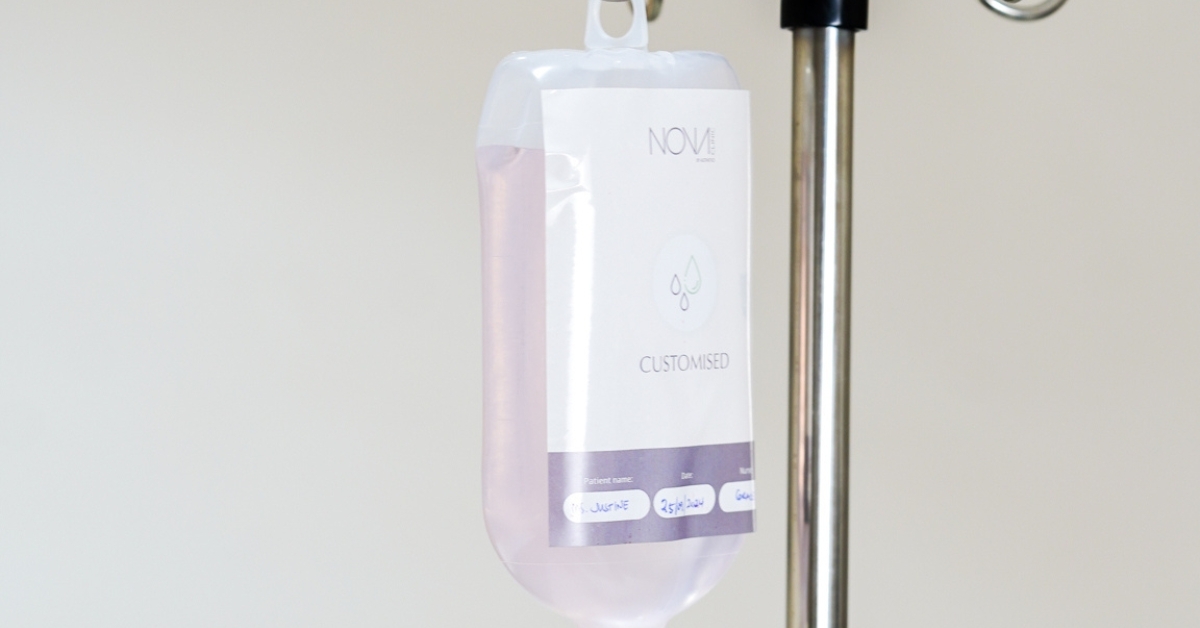
Intravenous therapy delivers fluids or other prescribed substances directly into a vein. In conventional medical practice, IV administration can be used when clinically indicated for hydration, medication delivery or correction of certain deficiencies. Wellness related infusion categories may include hydration infusions, vitamin containing infusions, mineral formulations and NAD+ infusions. Each differs in its ingredients and intended purpose.
Hydration IVs provide fluid directly into the bloodstream, but people who can maintain adequate hydration orally do not generally require intravenous fluids.
Vitamin and mineral infusions may be appropriate in selected medical circumstances, although their benefits for otherwise healthy individuals without deficiencies are not well established.
NAD+, or nicotinamide adenine dinucleotide, is a coenzyme involved in cellular energy metabolism and several biological processes.
Interest in NAD+ infusions has developed alongside longevity research. However, a 2026 systematic review found insufficient clinical outcomes evidence to establish the effectiveness of intravenous NAD+ for anti ageing or general wellness. All infusions require appropriate screening. Possible risks include infection, reactions to ingredients, vein irritation and fluid related complications.
Ozone Therapy and EBOO Therapy
Ozone therapy involves the proposed medical use of ozone through specific administration methods. Its use remains controversial because high quality evidence supporting many promoted wellness benefits is insufficient. EBOO, short for extracorporeal blood oxygenation and ozonation, involves circulating blood through an external system where it is exposed to an oxygen ozone mixture before being returned to the body.
Both approaches require particular attention to clinical oversight, equipment, infection prevention and potential adverse effects. Neither procedure should be presented as a proven method of detoxifying the body, reversing ageing or preventing disease. Patients should also verify that the proposed application is permitted under applicable UAE requirements.
Infrared Bed Therapy and Cryotherapy
Infrared Bed Therapy
Infrared Bed Therapy applies infrared energy under controlled therapeutic conditions. Depending on the equipment used, it may include either light or heat or both. Various types of infrared technology cannot be used interchangeably, as the wavelength, intensity, and other conditions of application differ. It is necessary to inquire about the equipment that is going to be used, the results that have been proven and any contraindications related to your skin, medications or health problems.
Cryotherapy
Cryotherapy refers to the use of low temperature. Localised cryotherapy has found some clinical applications, while whole body cryotherapy has been used for recovery purposes as well as for overall wellness. There is no substantial evidence that whole body cryotherapy can be used for overall wellness, and its use entails certain risks due to extreme temperatures. Individuals with cardiovascular or circulatory issues need to consult a doctor before using whole body cryotherapy.
How to Choose the Right Wellness Treatments in Dubai
The appropriate starting point is a consultation rather than selecting a procedure from a treatment menu. A clinician should review symptoms, existing medical conditions, medication use, lifestyle factors and individual goals before recommending investigations or interventions. Patients can then discuss whether proposed tests will change clinical decisions, what benefits are realistically supported by evidence and whether less invasive alternatives are available.
At The Nova Clinic, personalised wellness planning can involve diagnostic assessment, discussion of suitable options and follow up where appropriate. For anyone exploring wellness treatments in Dubai, a consultation with The Nova Clinic’s medical team can help clarify which assessments and available services are relevant to their individual health concerns.
FAQs
What type of diagnostic tests can be done during wellness tests in Dubai?
Wellness tests may involve blood tests, biological age testing, genetic testing, microbiome testing and food intolerance tests in certain cases. Depending on symptoms, history and clinical purpose, some tests would be chosen. While some tests are clinically well-established, other tests have limited clinical application and must be interpreted carefully.
What is the difference between biological age testing and genetic testing?
The biological age test helps to estimate biological ageing through selected biomarkers such as DNA methylation, while genetic testing is focused on DNA alterations which help to learn about inherited traits or health problems.
What kind of IV therapy is offered in wellness programs?
Some types of IV therapy include hydration solutions, vitamins or minerals and NAD+ infusions. These therapies have different medical purposes and possible risks and scientific support. While there are medical applications of IV therapy, there is no need for all people to undergo wellness infusions.
Are ozone therapy and EBOO therapy longevity treatments that are proven?
There are discussions about ozone therapy and EBOO therapy in relation to longevity medicine, but there is not enough scientific support to prove the general application for longevity and wellness. These treatments should be carefully considered in terms of procedural risks and clinical appropriateness. They cannot be an alternative to medical treatment for a disease.
How do I find out what wellness treatment suits me?
Consultation of the practitioner will allow finding out whether it is needed to undergo additional diagnostics to understand the cause of symptoms and whether any intervention is clinically justified. It is necessary to take into account the medical history of the patient, diagnostic results, contraindications and the quality of the evidence.
Written & Medically Reviewed by The Nova Clinic Team
This content is compiled and medically reviewed by qualified Doctors at The Nova Clinic having 25+ years of collective experience. Content is updated regularly for guidance on current techniques, pricing, and clinical best practices.