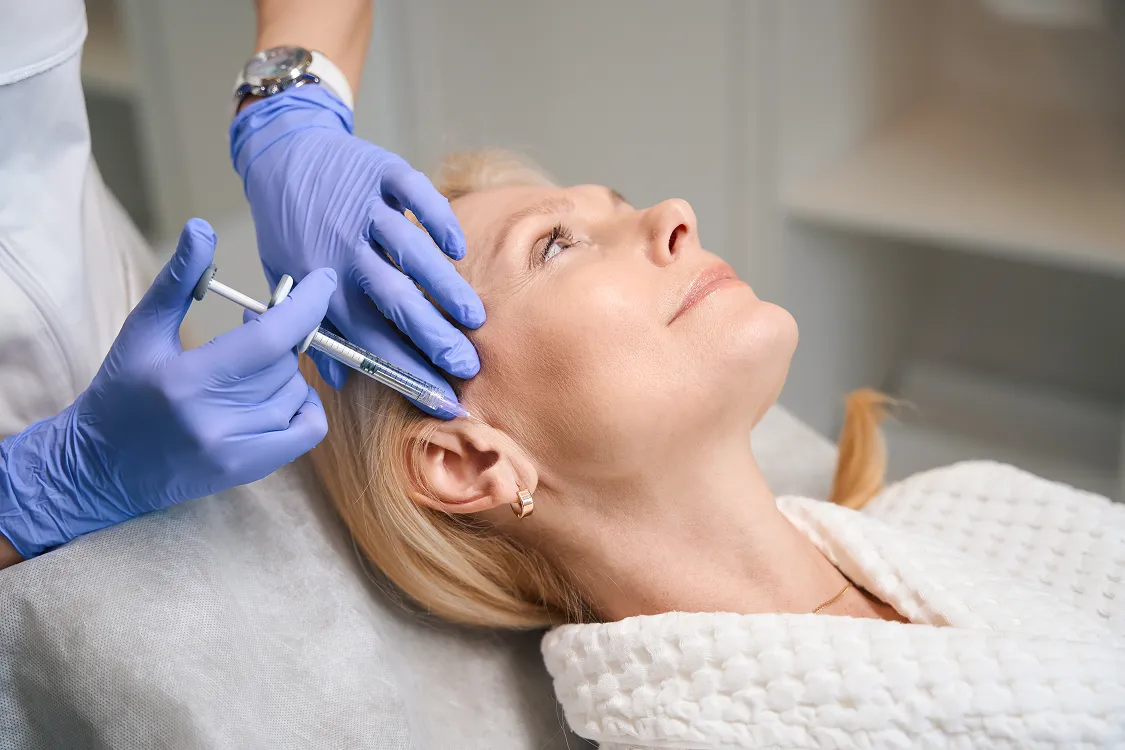



Facial aging is often perceived by others before it is recognized by the person himself. What begins with very minor changes, like losing some firmness in the jaw or developing a double chin, gradually goes into visible sagging, contour loss, and changes that affect one’s self esteem. In places like Dubai, where long sun exposure, hot weather, and pollution hasten collagen deterioration, these changes can show up earlier and become more intense than one would imagine.
Although non surgical treatments can help the skin feel smoother and look slightly firmer for a while, they can only do so much once the underlying facial structures begin to lower. This is where facelift surgery comes into play not as a quick fix to deny aging but rather as a long lasting solution by working on the deeper tissues. Facelift surgery, however, is nothing but one operation. Many surgical techniques exist that are tailored to address each specific wrinkle pattern of facial aging.
This blog explains those types of facelift procedures in detail, so readers can clearly understand what each technique does and why it exists.
What Actually Ages in the Face
Aging is not restricted to the skin. Underneath the skin, fat compartments in the face have a downward shift, and the structural support system that keeps the face contour has already started to be aged One of the most significant among these support layers is the SMAS, which links facial muscles to the skin above.
When this layer becomes loose, gravity takes the face down and causes jowls, cheek flattening, and jawline blurring. Good facelift surgery is done by moving those deeper layers back to their original position, not by just stretching the skin. It is the depth that a surgeon works at that determines the kind of facelift he or she performs.
Full Facelift: Restoring Overall Facial Structure
Full facelift is meant to resolve the general problem of aging of the whole face. It lifts the sagging of the midface, lower face, jawline, and sometimes even the neck. With this surgery, the underlying tissues are lifted and moved to their original position to get rid of the sagging and at the same time, the excess skin is very cautiously taken off.
This method is the best choice for patients who have very loose skin, very deep wrinkles, and have lost a lot of facial definition. The long term results’ data have never differed, indicating that full facelifts are the most extensive and lasting solution for severe aging. Although the recovery period is longer than for limited procedures, the great structural correction makes this method the most thorough one in surgical facial rejuvenation.
SMAS Facelift: Reinforcing the Face From Within
The SMAS facelift intends to fortify the internal support layer of the face instead of depending on skin tightening. The forehead is raised and repositioned through the SMAS layer, so movement and expression remain natural.
The mentioned method is very useful in case of jowls and sagging of the lower face. At the same time, results that are obtained this way are very much natural as they are placed on the deeper layers of the skin and not on the outer layer. Clinical studies prove that SMAS facelift has more lasting effects than superficial methods and the chances of looking tight or artificial are also reduced.
Deep Plane Facelift: Advanced Repositioning for Natural Contours
The deep plane facelift is a sophisticated surgical method that operates under the SMAS layer, which means the surgeon can move the facial tissues as one whole. This technique brings back volume and shape in places where lifting strategies like parabolic have no effect.
Not only the deep plane but also the traditional methods of facial lifting are effective on the midface descent and nasolabial folds. The releasing of deeper attachments provides a more natural lift and a relaxed look on the skin. Research has shown high levels of satisfaction in people’s perception with this method considering the skin’s texture, facial movement, and stability over time. Because of the challenges involved, the procedure needs a very skilled and knowledgeable surgeon who is also able to choose the right patient for the operation.
Mini Facelift: Limited Correction for Early Aging
The mini facelift procedure is aimed at patients with the first signs of aging. It focuses mainly on the lower part of the face and jawline where moderate drooping takes place, but it does not affect the tissues that have descended deeper.
This method of surgery involves making smaller cuts and performing a less aggressive lift which leads to a quicker recovery time. However, the limitation of correction is still there. The medical papers have repeatedly stated that mini facelifts are not the right choice for advanced aging and people with large structural laxity should also not go for them because the results would be only slight and short lived.
Neck Lift: Completing Facial Rejuvenation
Facial aging often extends beyond the face itself. The neck commonly shows laxity, muscle banding, and fat accumulation earlier due to thinner skin and gravity. A neck lift addresses these changes by tightening underlying muscles and removing excess tissue.
When performed alongside a facelift, a neck lift creates a smoother transition between the face and neckline. Research shows that addressing both areas together significantly improves overall aesthetic harmony. Ignoring the neck can undermine facelift results by leaving visible contrast between treated and untreated areas.
Revision Facelift: Correcting Previous Surgical Outcomes
Revision facelift surgery is performed when a prior procedure fails to deliver lasting or natural results. This may be due to incorrect technique selection, insufficient depth of correction, or natural tissue relaxation over time.
Revision cases are more complex because scar tissue alters normal anatomy, and tissue quality may be compromised. Global surgical data suggests revision rates are higher when limited techniques are used for advanced aging. Successful revision surgery focuses on restoring structural integrity rather than tightening skin aggressively, with realistic expectations playing a crucial role in satisfaction.
How the Appropriate Facelift Technique Is Determined
Choosing the correct facelift technique depends on facial anatomy, degree of aging, skin elasticity, and long term goals. Evidence consistently shows that outcomes are superior when surgical planning prioritises structural correction rather than trends or temporary aesthetics. A personalised approach ensures the chosen technique aligns with how the face has aged, not just how it looks at rest.
Healing, Longevity, and Outcome Stability
Recovery varies depending on surgical depth. Procedures that reposition deeper structures require longer healing but offer greater longevity. Structural settling continues over several months, with gradual refinement of facial contours. Long term satisfaction is closely linked to how well the chosen technique addresses the underlying cause of aging.
Why Knowing the Types of Facelift Procedures Matters
Facelift surgery is not defined by a single method but by a range of precise surgical techniques designed to correct specific aging patterns. Understanding these options reduces the risk of disappointment, revision, and unnatural outcomes. Education driven decision making, an approach reflected in patient guidance at The Nova Clinic, is essential for achieving facial rejuvenation that restores structure, balance, and confidence without compromising authenticity.
Written & Medically Reviewed by The Nova Clinic Team
This content is compiled and medically reviewed by qualified Doctors at The Nova Clinic having 25+ years of collective experience. Content is updated regularly for guidance on current techniques, pricing, and clinical best practices.