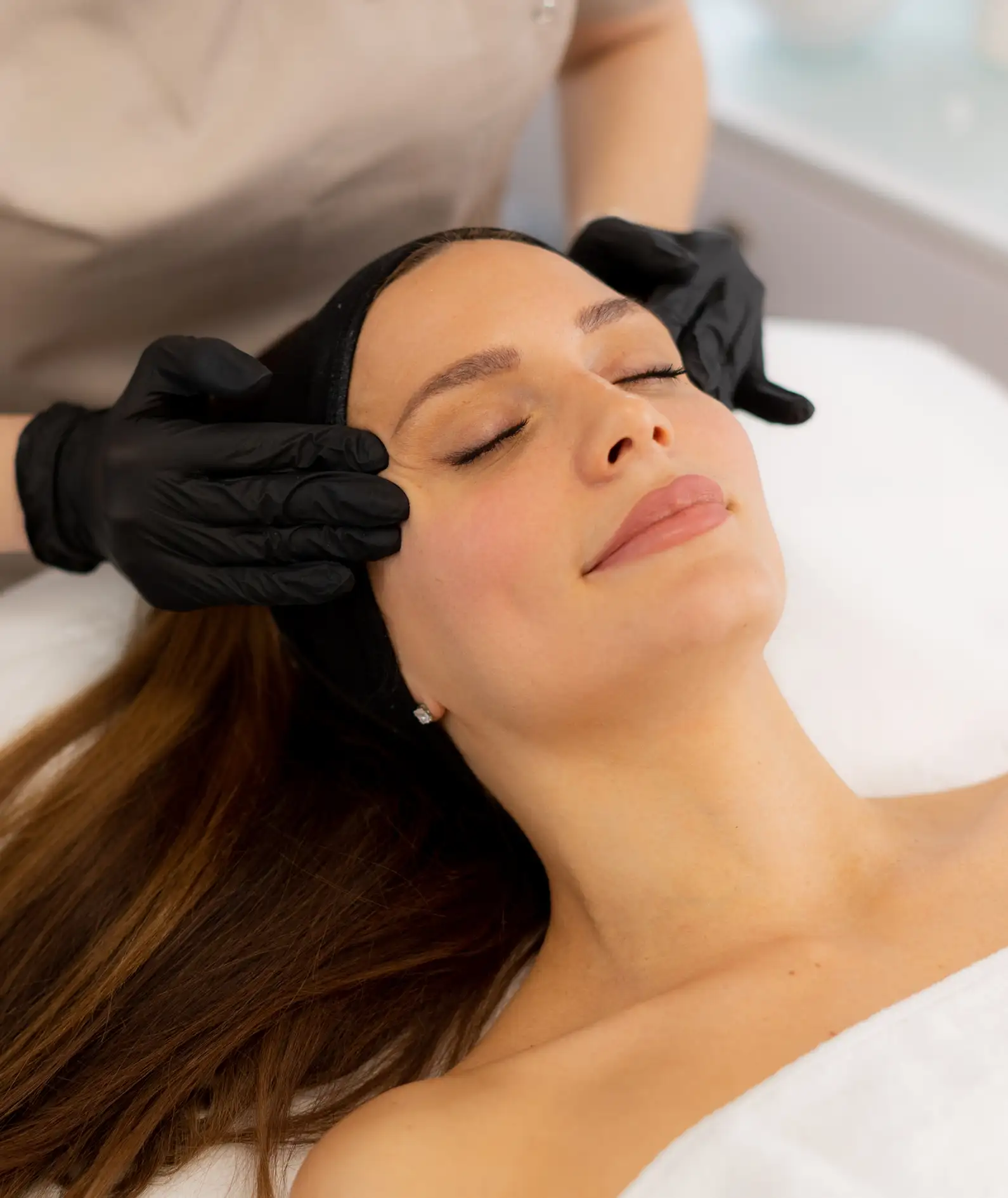



Preventative medicine focuses on identifying risk factors early and intervening before measurable decline occurs. Rather than responding to visible ageing, fatigue, or chronic conditions, it prioritises maintaining biological function over time. This approach has become increasingly relevant, with global health data indicating that up to 80% of heart disease, stroke, and type 2 diabetes cases are preventable through early intervention and lifestyle management. In parallel, aesthetic medicine has also shifted, with a growing emphasis on delaying visible ageing rather than correcting it.
From a practical standpoint, preventative medicine changes how individuals approach both health and aesthetics. Instead of waiting for skin laxity, pigmentation, or energy decline, interventions are introduced earlier to maintain structural integrity and metabolic efficiency. Studies show that collagen production decreases by approximately 1% per year after the mid 20s, while oxidative stress and environmental exposure accelerate this process. This article explores how preventative medicine works, how it influences skin and ageing, and where treatments such as IV therapy, skin boosters, and regenerative procedures fit within a long term strategy.
Why Early Intervention Alters the Aging Process
Ageing is not a sudden event. It is a gradual decline across multiple biological systems that include collagen production and hormonal balance and cellular repair mechanisms. The field of preventative medicine aims to stop the development of medical conditions by first identifying their early symptoms. Research indicates that people with specific metabolic and inflammatory control conditions can extend their biological age by 10 to 15 years through early treatment methods. The process of maintaining stable blood sugar levels leads to a decrease in glycation, which is a process that harms collagen and speeds up skin aging.
The focus now changes from making corrections to safeguarding what exists. Preventative medicine focuses on maintaining optimal bodily function until the point of death.
Skin Aging as a Measurable Biological Process
Skin ageing reflects internal biological activity that exists independently of external environmental elements. The main factors that affect skin aging process are internal body processes and sun exposure which has a considerable impact.Clinical studies show that environmental and lifestyle factors which include UV exposure and pollution account for 80 to 90 percent of visible facial aging. The body experiences a progressive decrease in skin tightness because of collagen loss in addition to the diminished production of elastin. The first step in dealing with these changes requires preventative methods which start at the earliest point of detection.
The skin boosters treatment provides enhanced skin hydration which results in better skin elasticity through its ability to increase moisture content. The Morpheus 8 Pro procedure creates collagen production through its stimulation methods which protect the skin structure until the time when significant skin relaxation occurs. Medical grade facials such as HydraFacial create a dual benefit by their capacity to enhance skin surface conditions while they simultaneously eliminate skin blockages.
Maintaining Energy and Metabolic Stability Over Time
People lose energy as they grow older but their energy decrease results from metabolic problems which exist independently of their biological age. The assessment of energy production in preventive medicine examines how mitochondrial systems and nutrient absorption systems and hormonal balance systems work together to create energy.
The research found that if people do not keep their mitochondria functioning properly they will experience a 50% decline in their mitochondria which will lead to decreased endurance and extended recovery times. Nutritional deficiencies can disrupt cellular functions which leads to sleepiness as a secondary effect.
The systems which require protection from damage will be safeguarded through preventive measures. The research shows that intravenous therapy (IV therapy) provides critical nutrients to the body which the body absorbs more effectively than through oral supplements thus enabling continuous energy production. Ozone-based therapies enable better oxygen usage which results in enhanced overall body efficiency.
Energy maintenance transforms into a method which researchers can quantify because it creates a situation where energy levels behave in a stable manner.
Preventing Pigmentation, Acne, and Skin Irregularities
People can treat common skin issues better when they start treating those problems during their initial development stage. The initial stage of pigmentation begins with minor skin tone irregularities which later develop into more substantial visible skin patches.
Research demonstrates that early treatment of pigmentation helps decrease its intensity by more than 50% when it is used together with managed therapies and sunblock. Acne treatment becomes more effective when medical professionals identify and treat the main factors behind acne outbreaks which include hormonal changes and skin inflammation.
Clinicians can use laser and light therapies to treat patients who want to achieve consistent skin tone from the beginning of their treatment process. The medical system usually chooses non-invasive methods to protect patients from future health problems. The treatment options for this condition include chemical peels together with HydraFacial treatments and skin maintenance programs which help achieve continuous skin renewal.
The goal of post-treatment skin management seeks to establish a process which keeps skin conditions stable over an extended period.
Structural Aging: Maintaining Collagen Before Loss Occurs
The process of structural ageing leads to a gradual decrease in collagen and elastin and body volume. The need for multiple medical procedures arises when advanced changes need correction because they become more difficult to treat. Preventative medicine addresses this earlier. Research indicates that environmental stress factors cause collagen levels to decline after the age of 25 but early stimulation methods show better results. The treatments which include Morpheus 8 Pro and skin boosters serve as proactive methods to sustain collagen production. The body uses regenerative therapies to help restore damaged tissues which is especially beneficial for people who encounter extreme physical or environmental challenges. The treatments maintain structural integrity which results in decreased requirements for extensive future corrective procedures.
Building a Long Term Preventative Strategy
Preventative medicine is not based on isolated treatments. It requires a structured and consistent approach that integrates multiple elements over time.
A typical preventative strategy may include:
- Periodic assessment of metabolic and hormonal markers
- Regular skin maintenance treatments such as HydraFacial
- Collagen stimulating procedures introduced early
- Nutritional and cellular support through IV therapy
- Lifestyle adjustments to reduce oxidative stress
Data shows that individuals following structured preventative programs experience more stable health markers and slower progression of ageing related changes compared to reactive treatment models.
However, consistency is critical. Preventative medicine relies on long term adherence rather than short term intervention.
Risks, Limitations, and Realistic Expectations
Preventative medicine offers measurable benefits, but it requires realistic expectations. Results are gradual and often less immediately visible compared to corrective treatments.
Studies indicate that patient perception of results may lag behind measurable biological improvement, particularly in early stages. Therefore, understanding timelines is essential.
Additionally, not all interventions are necessary for every individual. Treatment plans must align with personal risk factors, lifestyle, and health goals.
Ultimately, preventative medicine focuses on reducing future risk rather than delivering immediate transformation.
Conclusion
Preventative medicine introduces a structured approach to maintaining health, delaying ageing, and preserving skin quality over time. By addressing biological processes early, it reduces the need for intensive correction later and supports more stable outcomes.
For individuals assessing long term strategies, this approach provides clarity on how to manage both internal health and external appearance. At The Nova Clinic, this perspective often informs how treatments are selected and sequenced, aligning early intervention with sustainable, long term results.
Written & Medically Reviewed by The Nova Clinic Team
This content is compiled and medically reviewed by qualified Doctors at The Nova Clinic having 25+ years of collective experience. Content is updated regularly for guidance on current techniques, pricing, and clinical best practices.