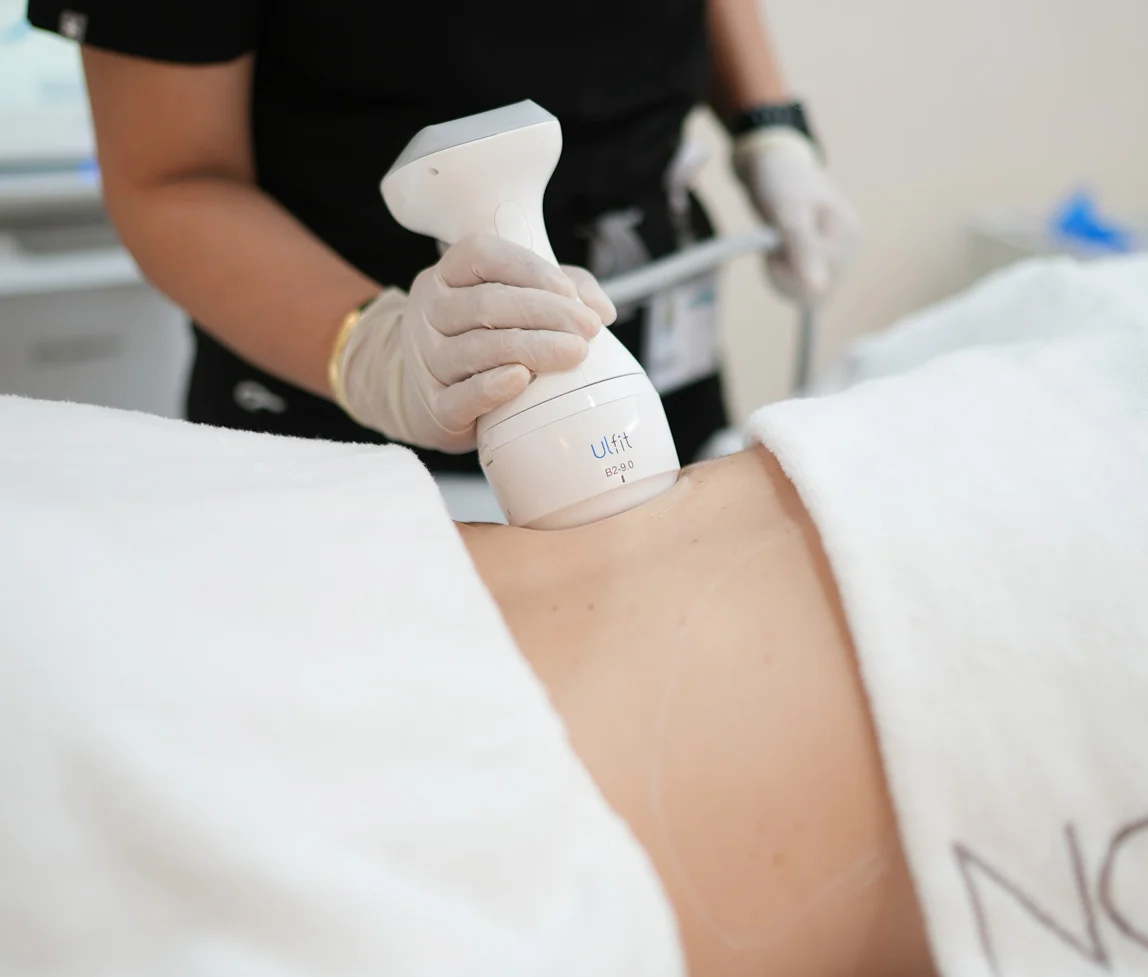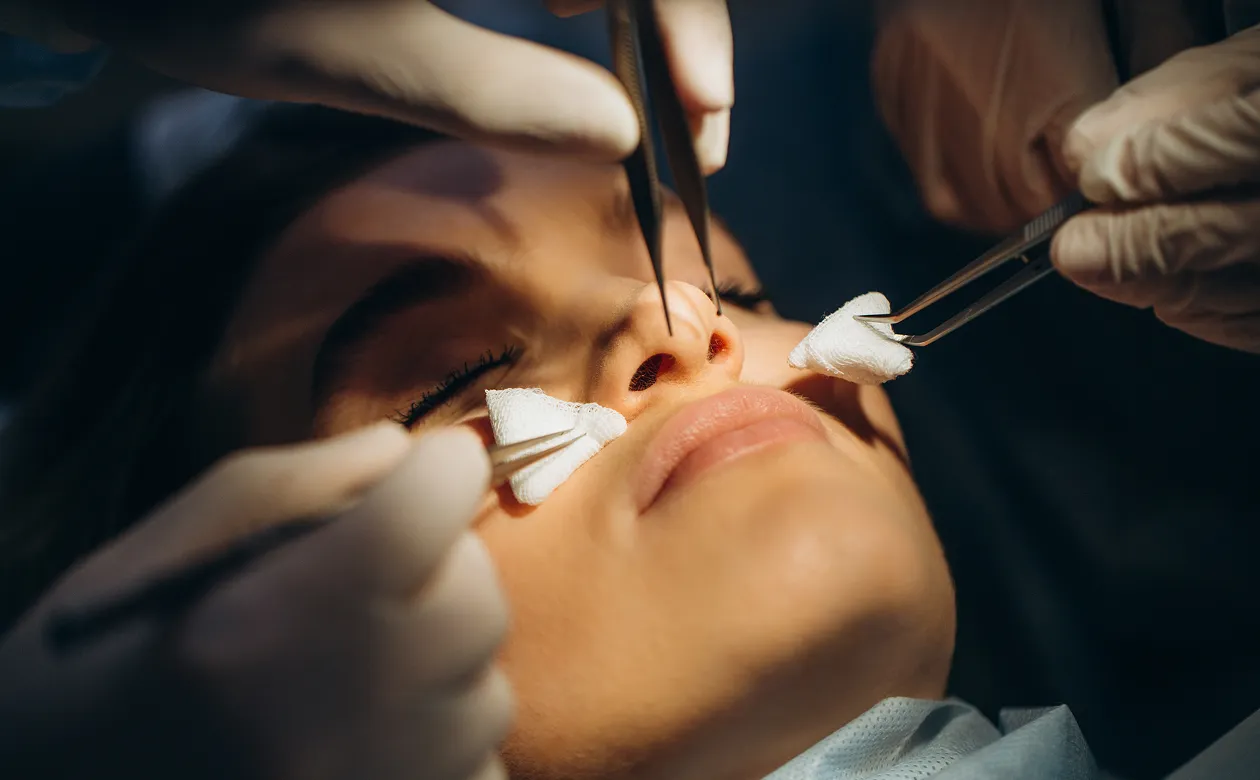



Botox, fillers, laser treatments, PRP and other aesthetic procedures are widely available across Dubai, but finding a clinic that offers the treatment you want is only the first step. Before booking, there are more useful things to check than the treatment list or price. Who will actually perform the procedure? Are they qualified and permitted to provide that specific treatment? What should happen during the consultation, and what support is available if you have a concern afterwards?
These questions matter because aesthetic procedures differ in their techniques, risks and professional requirements. DHA standards also place specific requirements on who can perform certain procedures in Dubai. So, when choosing an aesthetic clinic in Dubai, it makes sense to look at the practitioner, consultation process, treatment safety, informed consent and aftercare together. Here is what is worth checking before you make your decision.
Check Who Will Actually Perform Your Treatment
A clinic’s reputation does not tell you the professional background of the person who will treat you. Ask for the practitioner’s name, professional title and experience with the specific procedure you are considering.
This is particularly relevant in the UAE’s diverse aesthetic sector. A 2024 national cohort analysis identified 694 aesthetic botulinum toxin practitioners across 310 UAE clinics. Dermatologists represented 48.3% of identified practitioners and plastic surgeons 39.4%, while practitioners had qualified in 51 different countries. The figures do not establish that one specialty is automatically better for every treatment; they demonstrate why patients should look beyond clinic branding and understand who is providing their care.
Dubai Health Authority (DHA) standards reinforce this point. The current Standards for Non Surgical Cosmetic Procedures, Version 2.1, became effective on February 18, 2025. They require healthcare facilities to ensure professionals provide services within the facility’s scope of practice and their granted privileges. In June 2025, DHA again reminded facilities that procedures must be undertaken by appropriately licensed professionals within their approved scope.
A better question than simply “Is this clinic licensed?” is therefore: “Who will perform my procedure, and are they appropriately licensed and privileged to perform this particular treatment?”
A Proper Consultation Should Come Before the Treatment Plan
Aesthetic consultation in Dubai needs to determine suitability prior to determining which product to inject, treat, or offer for sale. The patient may need to be assessed according to her medical history, medication, allergies, past aesthetic treatment, region concerned, and any contraindications. The facial anatomy, skin type, and pigmenting can also affect the choice of treatment.
Specifically in the DHA guidelines, decision making is emphasized as being a collaborative process that involves hearing out patients’ concerns and preferences, giving proper information, and respecting their choice of treatment.
Patients should leave the consultation understanding why a particular treatment has been recommended, what it can realistically address and whether alternatives exist. If a fixed package is recommended before the concern, medical history and suitability have been properly assessed, the patient has limited clinical information on which to make a decision.
Make Sure the Practitioner Is Qualified for That Specific Procedure
A professional licence does not necessarily mean permission to perform every aesthetic procedure. Treatment specific scope and clinical privileges matter.
DHA’s June 2025 update provides clear examples. It states that invasive skin opening procedures for tightening, lifting or dissolving fat in the face or body may only be performed by licensed plastic surgeons. The same update states that platelet rich plasma (PRP) injections are permitted for the face and hair, but not the body.
These distinctions are useful when comparing clinics because “licensed aesthetic doctor” should not be treated as a universal qualification for every procedure. Patients can ask whether the professional has the relevant privileges for the exact treatment under consideration.
Ask What Product or Device Is Being Used
If a clinic recommends an injectable, ask what product will be used rather than accepting descriptions such as “premium filler.” For laser and energy based procedures, ask what technology is being proposed and why it is appropriate for your skin and treatment goal.
This matters because aesthetic treatments in Dubai have different mechanisms and different risk profiles. Botulinum toxin, hyaluronic acid fillers and absorbable threads, for instance, cannot be grouped under one general statement that non surgical procedures are “safe.”
A systematic review and meta analysis published in 2025 included 42 studies examining treatment related adverse events from upper face botulinum toxin, hyaluronic acid fillers in specified lower face areas and absorbable thread procedures. Reported adverse event patterns differed by procedure: swelling and pain were most frequently reported with hyaluronic acid fillers, pain and bruising with threads, while headache was reported with botulinum toxin.
These findings should not be used to predict an individual patient’s risk because the estimates depend on the procedures, treatment areas and studies included. Their practical value is showing why treatment specific counselling matters.
Understand the Risks Before You Consent
Aesthetic treatment may be non surgical without being risk free.
A useful consultation should separate expected temporary reactions from complications requiring medical attention. Temporary swelling after an injectable, for instance, is not the same clinical issue as a vascular complication. Likewise, expected redness after certain laser procedures differs from a burn or unwanted pigment change.
Instead of asking only, “Is this treatment safe?”, ask what the common reactions are, which less common complications matter, how the clinic works to reduce those risks and what symptoms should trigger a review.
This is where informed consent for aesthetic treatment becomes meaningful. Patients need enough information about expected outcomes, limitations, relevant risks and alternatives to make a considered decision. Signing a consent form should not replace that discussion.
Find Out What Happens If Something Goes Wrong
Aftercare is another useful way to assess a medical aesthetic clinic in Dubai. Before treatment, find out who you should contact if you develop unexpected pain, swelling, skin changes or another concern. Ask whether clinical review is available and how the clinic handles a problem that requires further assessment or referral.
This is particularly relevant because complications do not necessarily appear while the patient is still in the treatment room. A clinic should be able to explain expected recovery, warning signs and the route for obtaining professional help.
The ability to identify a problem, review it appropriately and arrange further management where necessary is a more useful indicator of clinical preparedness than simply including a routine follow up appointment in a treatment package.
A Practical Checklist Before Booking
| What to Check | What to Ask | Why It Matters |
| Treating professional | Who will perform my procedure? | Identifies who is clinically responsible |
| Licence and privileges | Are you permitted to perform this treatment? | Scope differs between procedures |
| Assessment | Why is this suitable for me? | Shows whether treatment follows evaluation |
| Product or device | What exactly will be used? | Clarifies what treatment you are receiving |
| Risks | What complications are relevant? | Supports informed consent |
| Follow up | Who reviews me if I have a concern? | Clarifies post treatment support |
| Cost | What does the quote include? | Makes comparisons more meaningful |
Compare Price in Context
Price is a reasonable consideration when comparing a cosmetic clinic in Dubai, but the headline figure may not tell you what is included. One quote may cover consultation, treatment and follow up, while another may cover only the procedure. Costs may also vary according to the product, quantity, device, treatment area or number of sessions required.
A lower price does not automatically indicate poor care, and a higher price does not prove greater expertise. Compare the treating professional, proposed treatment, product or technology, follow up arrangements and total expected cost alongside the price.
Making a Better Informed Choice
Finding the most appropriate aesthetic clinic in Dubai based on your requirements is not likely to be solely determined by a single review score, qualifications or price. More substantial selection requires taking into account a range of factors such as who will perform the procedure, whether their privileges match the procedure, whether the procedure was recommended following an individual consultation, which product or technology will be used and how risks are communicated along with follow up procedures.
At The Nova Clinic, individual consultations offer patients the opportunity to determine the concern, medical eligibility and practical treatment options before considering a procedure. For patients, asking relevant questions and learning about the clinical rationale behind a recommendation offers more substantial criteria for choosing a clinic than simply marketing claims.
Written & Medically Reviewed by The Nova Clinic Team
This content is compiled and medically reviewed by qualified Doctors at The Nova Clinic having 25+ years of collective experience. Content is updated regularly for guidance on current techniques, pricing, and clinical best practices.