

The physical effects of pregnancy, breastfeeding, fluctuations in body weight and aging might influence the appearance of the breasts, altering their form, skin elasticity and even nipple placement. Some women will find that their breasts droop, whereas others will see that the shape of their breasts has changed and that they lack volume on the upper part. This process is normal, but it might motivate people to seek surgical intervention. The breast lift surgery in Dubai, commonly referred to as mastopexy, is a procedure performed in order to elevate the breasts and reshape them.
Nevertheless, this procedure is more than just a cosmetic one. Each type of surgery leaves specific scars on the body, and recovery time varies depending on the patient’s anatomical features and overall health. Understanding the capabilities of mastopexy, as well as its limitations and the process of healing, enables patients to enter the consultation with their surgeon prepared and informed.
What a Breast Lift Corrects
Breast uplift is a surgery done for breast ptosis to get rid of excess skin and remodel the breast tissues. Mastopexy does not increase the size of breasts; it simply improves the position and shape of the breast and its tissues. This surgery depends on the patient’s anatomy, skin elasticity, health status, and some other aspects of the person. Ptosis of breasts occurs due to the failure of the skin tissues to stay in place, leading to the descent of the tissues and sometimes the nipple.
The surgery performed for breast ptosis can help in correcting the stretch of skin tissues, lower position of the nipple, and change in shape of the breasts, but it cannot prevent further aging. Some patients will benefit from the surgery only with the help of the existing breast tissue. Others might want to discuss further about increasing the volume. A 2026 article published in PubMed regarding aesthetic breast surgeries defines mastopexy as the surgery for ptosis correction and breast contouring.
Lift Techniques: Crescent, Donut, Vertical and Anchor Scars
Breast lift techniques are distinguished by the location of surgical incisions and the amount of skin removal and tissue reshaping required. A crescent lift involves an incision along part of the upper areolar border and may be considered when only minimal nipple repositioning is needed. Its ability to correct more pronounced sagging is limited. A donut lift, also called periareolar mastopexy, uses an incision around the areola and may be appropriate for selected patients requiring relatively minor adjustments.
However, this technique may not adequately address significant ptosis, and tension around the incision can affect areolar shape. A vertical or lollipop lift combines an incision around the areola with a vertical incision extending towards the breast crease, allowing more extensive tissue reshaping. An anchor lift, also called inverted T mastopexy, adds a horizontal incision along the natural fold beneath the breast and may be considered when greater skin removal and repositioning are necessary.
Each approach creates permanent breast lift scars, although their appearance may soften and become less noticeable over time. A clinical review indexed by the US National Library of Medicine explains that periareolar, vertical and inverted T approaches have different advantages and limitations, and no single technique is suitable for every degree of breast ptosis. Patients should therefore consider the extent of correction required, potential scarring and individual tissue characteristics rather than choosing a technique based only on incision length.
Breast Lift With or Without Implants
One thing that comes into play in mastopexy planning is whether just breast lifting will help solve the problems or whether an increase in volume is necessary. The reason to do a breast lift without implants can be the desire to change breast shape and position while keeping about the same volume of breasts. During the operation, extra skin is removed and the tissue is rearranged, but there is no guarantee of getting more fullness in the top of the breast.
When repositioning and added volume are needed, breast lift with augmentation can be considered. An implant can add volume, but it also presents its own issues regarding type of implant, its placement and complications. Combining two procedures can affect recovery and planning of the procedure itself. Systematic review of combination of breast augmentation and mastopexy reports such complications as recurrence of ptosis, scarring, asymmetry and need for additional surgery.
These findings reinforce the importance of discussing the additional risks of a combined procedure rather than assuming implants are necessary. Some patients may be satisfied with the changes achievable through mastopexy alone, while others may need to consider different approaches. The appropriate decision depends on breast dimensions, available tissue, nipple position, health considerations and the patient’s expectations.
Breast Lift Recovery Week by Week
The recovery period of a breast lift depends on the specific method of surgery and the healing process of the individual. In the first week, there will be some swelling, bruising, pain, and tightness in the breast region. Wearing surgical dressings and a supportive bra might be needed, while other patients might require drains in certain cases of surgery. It is necessary to rest, take care of the wounds and medication during this stage. Assistance from someone else when doing strenuous activities is recommended in this stage. In the second week, the pain and swelling might start to lessen while healing of the incisions still continues.
In the third and fourth weeks, the feeling might become easier for the patients with a job that requires working at a desk, though this is dependent upon each individual case. The healing will still continue and activities might still be restricted. In weeks five to six, certain people might slowly go back to more strenuous activities.
The US National Library of Medicine’s postoperative guidance explains that recovery from cosmetic breast surgery may involve temporary activity restrictions, supportive garments and personalised instructions for returning to work and exercise. These stages should be treated as general guidance rather than a fixed timetable. Patients in Dubai should plan follow up appointments, transportation and assistance at home around their recovery needs. Increasing redness, fever, unusual discharge or worsening pain should be reported promptly, while sudden chest pain or breathing difficulties require urgent medical assessment.
Breast Lift Results and Longevity
The results from breast lift surgery will rely on the elasticity of the skin, the breast tissue, the surgical technique used, and what happens to the breasts post-surgery. Though an improvement in breast placement can be seen shortly after, swelling and changes in tissue can continue to affect appearance for months. Similarly, incision scars heal slowly, with visibility being contingent on the nature of the skin, healing, and scarring process. Incisions remain forever, though they may fade.
The way that the breasts appear in the future may differ due to the fact that mastopexy surgery does not halt the effects of aging, gravity, and changes in skin elasticity. Breastfeeding and significant weight gain can also contribute to breast appearance following surgery. There is no definitive amount of years that describes how long results will last for all women.
Meet the Plastic Surgeon
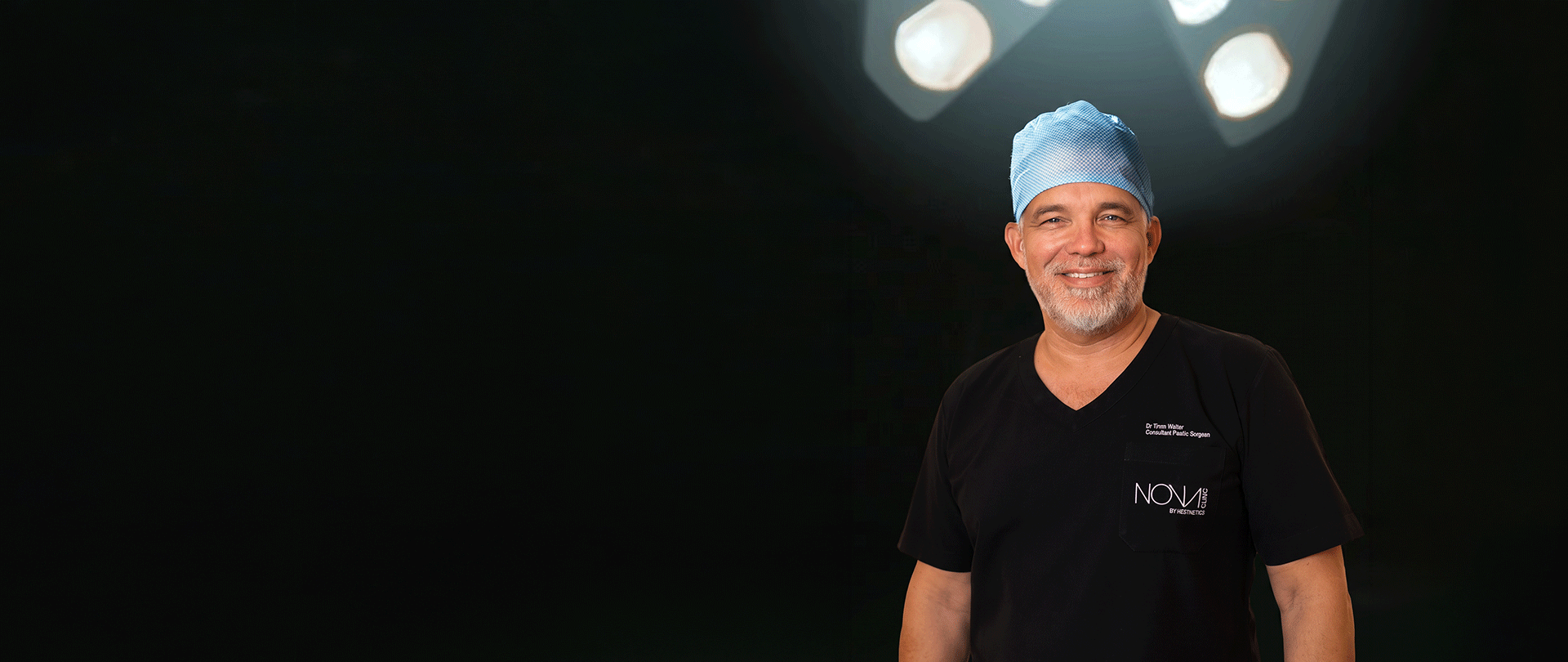
Choosing a plastic surgeon for mastopexy involves reviewing qualifications, relevant clinical experience and the approach taken to consultation, surgical planning and follow up care. Dr Timm Wolter is a Consultant Plastic Surgeon whose published areas of practice include breast lift surgery, breast augmentation and breast reduction. His professional background includes training in Germany and the United States, with experience in aesthetic and reconstructive plastic surgery.
During the consultation for breast lift, the patient gets the chance to voice their worries about breast contour and determine appropriate techniques for surgery. Other aspects that need to be considered during this assessment would be their medical background, previous procedures on their breasts, the medication they take and other such details that could affect their healing process. Other things that they should discuss are their expectations regarding scars, sensitivity of nipples, limitations during the recovery process, complications and how things could change in the future. People living in Al Wasl, Jumeirah or Palm Jumeirah can find the process easier by arranging convenient transportation.
FAQs
Is a breast lift in Dubai the same as breast augmentation?
No. A breast lift primarily repositions and reshapes existing breast tissue to address sagging, while breast augmentation increases volume, usually through implants. Some patients may consider combining both procedures. The appropriate option depends on existing breast anatomy, desired changes, medical history and the findings of a surgical assessment.
Are breast lift scars permanent?
Yes. Mastopexy produces permanent incision scars, although their appearance may become less noticeable as healing progresses. The pattern depends on the surgical technique, including periareolar, vertical and anchor approaches. Scar visibility varies according to skin characteristics, incision placement and individual healing, so completely invisible scars should not be expected.
How long does breast lift recovery take?
Early swelling, bruising and tenderness may improve during the first few weeks, but recovery differs between individuals. Restrictions on heavy lifting and strenuous exercise can continue for several weeks. Breast shape and scar appearance may change for months. Patients should follow personalised postoperative instructions and obtain clearance before resuming demanding activities.
Can a breast lift be performed without implants?
Yes. A breast lift without implants may be appropriate when the main goal is to improve breast position and contour without substantially increasing volume. However, mastopexy alone may not restore significant upper breast fullness. A plastic surgeon can assess the available tissue and explain which changes may reasonably be achieved.
How long do breast lift results last?
Results may remain noticeable for several years, but their duration varies according to anatomy, skin elasticity, pregnancy, ageing and weight changes. Mastopexy cannot prevent future changes in breast shape. Patients should discuss realistic long term expectations and understand that the procedure does not provide a fixed or permanent appearance.
If you’re considering a breast lift in Dubai, a consultation with a qualified plastic surgeon can help clarify the techniques available, the recovery process and the individual risks that should inform your decision.
Written & Medically Reviewed by The Nova Clinic Team
This content is compiled and medically reviewed by qualified Doctors at The Nova Clinic having 25+ years of collective experience. Content is updated regularly for guidance on current techniques, pricing, and clinical best practices.