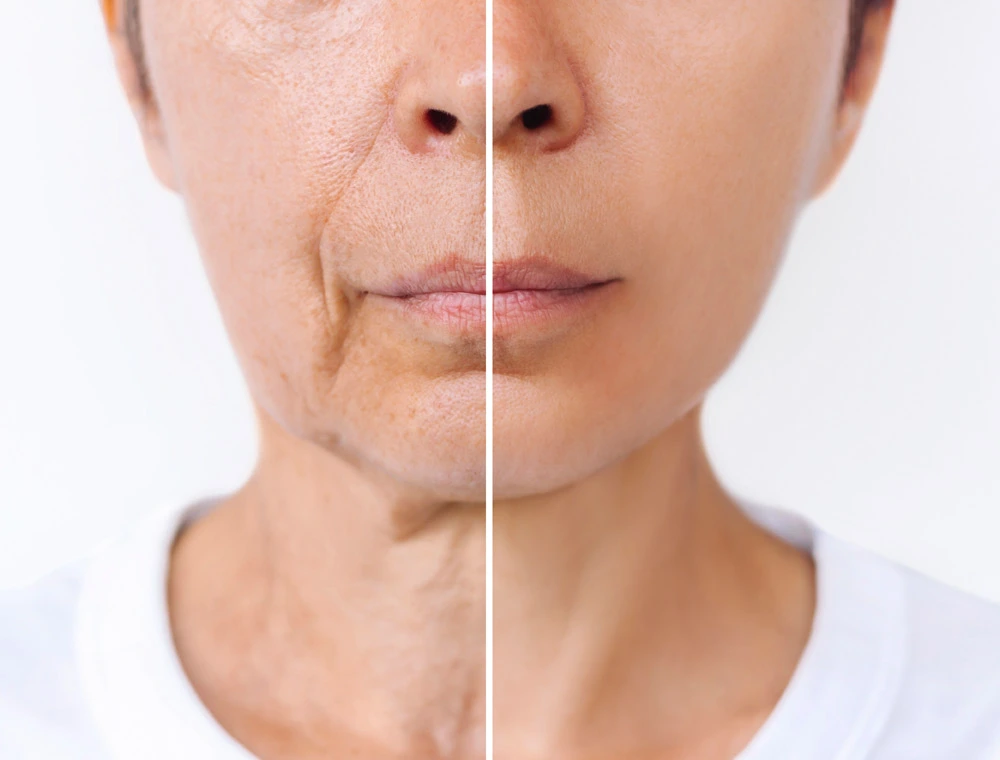



Wellness is no longer viewed as something to address only when a concern arises. More people are adopting a proactive approach, focusing on long term health through consistent care rather than relying on occasional treatments. This shift has led to growing interest in wellness programs and memberships that provide ongoing support, personalised guidance, and regular progress reviews.
While standalone treatments can offer noticeable improvements, they often address a specific concern at a single point in time. A structured wellness program, on the other hand, focuses on maintaining and building results through continuity. Whether the goal is improving overall wellbeing, managing weight, enhancing skin health, or supporting healthy ageing, long term strategies often deliver more sustainable outcomes than isolated appointments.
We will explain why wellness programs are becoming an increasingly popular choice, how they differ from standalone treatments, and what to consider when choosing an approach that aligns with your health and lifestyle goals.
Why One Off Treatments Have Their Place—but Also Their Limits
Standalone treatments remain an important part of modern healthcare and aesthetic medicine. They can effectively address a particular concern, provide quick improvements, or complement a broader treatment plan. However, many aspects of health and wellness develop over time rather than changing after a single appointment.
For example, improving body composition, maintaining healthy skin, or supporting metabolic health usually requires consistent attention. A one time treatment may produce encouraging results, but without regular follow up and lifestyle support, maintaining those improvements can become more challenging.
This is why many healthcare providers now encourage patients to view wellness as an ongoing journey instead of a series of isolated appointments.
What Makes a Wellness Program Different?
A wellness program is designed around long term health rather than short term intervention. Instead of focusing on a single treatment, it combines regular assessments, personalised recommendations, and continuous monitoring to help patients work towards specific health objectives.
Although every program differs, many include:
- Personalised health and lifestyle assessments
- Tailored treatment plans based on individual goals
- Regular progress reviews and adjustments
- Nutritional and lifestyle guidance where appropriate
- Ongoing clinical support throughout the program
This structured approach allows care to evolve as a patient’s needs change rather than relying on occasional appointments alone.
The Value of Consistency in Achieving Lasting Results
One of the best things about wellness programs is that they offer consistency. The benefits in one’s health are not always seen right away and can even require continuous monitoring and changes.
Patients who are on a weight loss program would find that having their progress monitored would help them deal with any problems and issues that may hinder their success. In the same way, people who are trying skin rejuvenation treatments would do well if the procedures were scheduled regularly rather than randomly.
Continuous reviews would allow for modification according to one’s evolving health status or other factors.
Wellness Memberships Encourage Accountability
People may start health programs with great energy but find it difficult to sustain the energy for a longer period. Wellness memberships act as another level of responsibility, ensuring regular interaction with healthcare professionals.
The knowledge that progress is going to be monitored regularly acts as motivation for individuals to stick to the lifestyle modifications and advice received. The ongoing association helps patients ask questions and receive advice when there are any changes in their situation.
In addition to personal drive, there are other ways through which habits can be developed.
Who Benefits Most From a Wellness Program?
Wellness programs can benefit a wide range of individuals because they are designed around personal health objectives rather than a single medical concern.
They may be particularly suitable for people who want to:
- Manage their weight through a structured approach
- Support healthy ageing with ongoing preventive care
- Improve skin health through planned treatment schedules
- Maintain results achieved through previous treatments
- Build healthier lifestyle habits with professional guidance
Rather than offering the same solution to every patient, wellness programs allow healthcare providers to personalise care according to individual priorities and progress.
Choosing a Wellness Program That Supports Your Goals
Not all wellness programs follow the same approach. Before committing to a membership, it is important to understand how the program is structured and whether it aligns with your long term objectives.
When comparing different options, consider whether the program offers:
- Personalised treatment plans instead of standard packages
- Regular clinical reviews and measurable progress tracking
- Evidence based recommendations
- Flexibility to adjust treatment as needs change
- Clear communication about expectations and outcomes
Choosing a program built around individual needs rather than fixed treatments helps create a more meaningful long term healthcare experience.
Looking Beyond Individual Appointments
Healthcare is increasingly moving towards prevention and long term wellbeing rather than simply responding to problems after they develop. Wellness programs reflect this change by encouraging patients to build healthy habits, monitor progress consistently, and make informed decisions over time.
This approach recognises that lasting improvements often result from small, consistent actions rather than isolated interventions. Whether the focus is physical health, aesthetics, or overall wellbeing, continuity allows healthcare professionals to respond to changes early and adapt care accordingly.
For many individuals, this creates greater confidence because they receive ongoing support rather than navigating their health journey alone.
Conclusion
While standalone treatments continue to play an important role in addressing specific concerns, they are often most effective when incorporated into a broader, long term strategy. Wellness programs provide continuity, personalised guidance, and regular reviews that help patients work towards sustainable improvements instead of short term results. As healthcare continues to place greater emphasis on prevention and proactive care, structured wellness plans offer a practical way to support long term health and wellbeing. At The Nova Clinic, wellness programs are designed around individual goals, ensuring patients receive ongoing care that evolves alongside their changing needs.
Written & Medically Reviewed by The Nova Clinic Team
This content is compiled and medically reviewed by qualified Doctors at The Nova Clinic having 25+ years of collective experience. Content is updated regularly for guidance on current techniques, pricing, and clinical best practices.