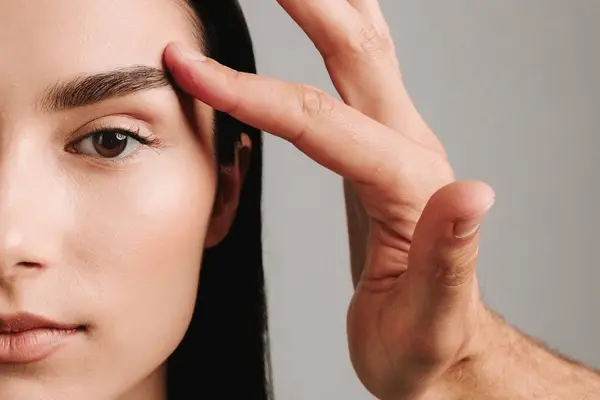


A facial, a skin peel and an injectable treatment might all appear under the same beauty and aesthetics category when you search for services in Dubai. Yet booking them can involve very different decisions. A beauty therapist may be appropriately trained to perform a routine facial, while an injectable procedure requires a healthcare professional with the relevant authorisation. The difference is not always obvious from a treatment menu.
Someone visiting a salon in Jumeirah for a relaxing facial may be looking for a completely different experience from someone consulting a doctor about pigmentation, facial lines or changes in skin texture. Both have valid reasons for seeking treatment, but the qualifications, assessments and facilities involved should reflect what is being performed.
Understanding the distinction between a beauty salon and an aesthetic clinic in Dubai helps you recognise when a routine beauty appointment is appropriate and when your concerns deserve medical assessment.
What Is the Difference Between an Aesthetic Clinic and a Beauty Salon?
A beauty salon is where beauty grooming and non-medical cosmetic services are provided, while a medical aesthetic clinic is where the services require health care regulation and licensure and professional practice.
Though some skin services may have similarities between a medical aesthetic clinic and a beauty salon, others such as the use of injectables, medical laser therapy and other forms of skin treatment require more regulations. It is the procedure itself that dictates where it should be carried out.
This is very vital since the appearance of the treatment room does not indicate the qualifications required to provide the treatment service.
Beauty salons offer facial and eyebrow grooming services as well as other types of beauty treatments. Meanwhile, a medical aesthetic clinic provides some of the services along with the services that require a clinical assessment or professional healthcare practitioner.
Why Dubai Regulates Certain Aesthetic Treatments Differently
Dubai’s rules recognise that cosmetic procedures do not all involve the same techniques or medical considerations.
The Dubai Health Authority’s Standards for Non Surgical Cosmetic Procedures, Version 2.1, distinguish between treatments permitted in clinical and non clinical settings. They also specify qualifications, training and professional privileges for different procedures.
In June 2025, the DHA reminded healthcare facilities that professionals must work within their approved scope of practice. The official circular also clarified restrictions concerning particular invasive cosmetic procedures.
For patients, this means that an attractive treatment menu does not establish whether a business is authorised to provide every service listed.
It is reasonable to ask who will perform a procedure, what qualifications they hold and whether the facility is permitted to provide it. The answers become particularly relevant when a treatment involves injections, medical devices or techniques that affect tissue beneath the skin’s surface.
Which Treatments Are Usually Suitable for a Beauty Salon?
A visit to the salon is usually associated with simple maintenance work. A person who comes for eyebrow shaping does not have to visit a doctor. Some of the services that can be provided regularly by a salon are eyebrow threading, some facials and basic skin treatments. Nevertheless, what exactly is allowed depends on the procedure and the qualification of the operator.
Even a simple facial can be based on different techniques. There is a difference between a basic cleansing facial and a facial with deep peeling or any skin damage.
That is why the procedure name is not always enough.
In case you come for a facial, ask about products and techniques that will be used. Inform about your allergies and reactions to certain products and skin procedures. A qualified therapist should be aware of the scope of her/his services and be able to recognize cases that need medical evaluation.
A salon can be a right place for regular beauty care without having to do the medical procedure.
When Should You Visit a Medical Aesthetic Clinic Instead?
Think about a person who has been using skin care products for uneven pigmentation but not seen any progress. He or she will decide to go for another facial, thinking that the stronger one will solve the issue. Yet, there could be other factors causing a change in pigmentation. Whether it would be right to use a cosmetic treatment could depend on medical history, skin assessment and the risk of the planned procedure. The medical aesthetics centre offers such an opportunity if the problem or the treatment is related to its medical services.
Injectables Require Appropriate Medical Qualifications
Botulinum toxins and dermal fillers are not regular beauty salon procedures. Each involves unique clinical procedures, and the practitioner needs to satisfy certain professional and procedure requirements. In Dubai, it is the guidelines for performing cosmetic procedures by the DHA that dictate who among the healthcare professionals can offer such procedures.
As a consumer, before undergoing any injection procedure, it is important to be aware of the proposed procedure and why the practitioner feels that it is necessary and what kind of risks and complications it poses. It is also necessary for the practitioner to inform you about what will happen if the results do not meet your expectations and there is a health issue after.
Laser Treatments Need More Than an Impressive Device
Laser hair removal is another area where the difference between routine beauty services and medical aesthetics matters.
Unlike waxing or threading, laser treatment uses controlled light energy to target hair follicles. Skin characteristics, hair colour, medications and previous reactions can influence the treatment plan.
Under the DHA standards, laser hair removal and intense pulsed light procedures are excluded from the limited services that beauty therapists may perform independently in non clinical settings.
The Nova Clinic’s laser hair removal service provides an example of a treatment for which the technology, treatment assessment and professional arrangements should be considered together.
Patients should ask who will operate the equipment, what assessment is required and how potential skin reactions are managed.
Why Medical Assessment Changes the Treatment Conversation
One of the more meaningful differences between a routine salon visit and a medical aesthetic consultation is what happens before anyone begins treating the skin. A person asking about facial lines may assume an injectable is necessary. Another person with similar concerns may be more interested in skin rejuvenation or may not be suitable for the treatment they initially requested.
The clinician needs to understand the concern before recommending an intervention.
At The Nova Clinic, Dr Saima Anwar is a GP working in aesthetics. Her clinical role illustrates why the medical background of the person assessing a patient matters when considering treatments such as injectables. Medical history, medications, previous procedures and individual risk factors may affect whether treatment is appropriate.
That does not mean every aesthetic concern requires a doctor or that all medical procedures are suitable for every patient. It means the assessment should match the treatment being considered.
An appropriate consultation may result in a different recommendation from the one a patient expected, including the decision to postpone treatment or avoid it.
Can a Cosmetic Clinic Also Provide Traditional Beauty Treatments?
Yes. The distinction between a cosmetic clinic and a beauty salon does not mean their treatment menus can never overlap.
A medical aesthetic clinic may provide services such as facials alongside treatments that require healthcare oversight. The qualifications and arrangements needed for each service can differ, even when both are available within the same facility.
For example, The Nova Clinic includes facials within its aesthetic treatment range, alongside other medical aesthetic services.
The setting alone does not determine which practitioner should perform a particular treatment. The nature of the procedure, training requirements and relevant permissions still matter.
When comparing services, avoid assuming that a treatment is medically necessary simply because it is available at a clinic. Equally, do not assume that a procedure is suitable for a salon because it has been described as a beauty treatment.
How to Decide Which Setting Is Right for Your Skin Concern
A useful starting point is to describe the concern rather than choosing a treatment in advance. If you want eyebrow grooming or a routine cleansing facial, a salon with appropriately trained staff may meet your needs. If you are considering injectables, medical lasers or procedures that involve significant skin penetration, the regulatory and clinical requirements become more demanding.
For a skin concern that is changing, persistent or medically unexplained, obtaining an appropriate clinical assessment may be more useful than repeatedly trying cosmetic treatments. Ask what the procedure involves, who is authorised to perform it and whether your medical circumstances create any reasons to avoid it.
You should also understand what to expect afterwards. Routine skincare and medical aesthetic procedures can have different aftercare requirements, restrictions and potential complications.
The answers will help you choose an appropriate setting without relying on advertising language or the popularity of a particular treatment.
Choose the Treatment Setting That Fits the Procedure
A relaxing salon appointment and a medical aesthetic consultation serve different purposes, even when both involve improving the appearance of the skin.
The decision should begin with what you want to address and what type of assessment or treatment that concern requires. For some people, routine beauty care will be sufficient. Others may need the input of a healthcare professional before deciding whether a procedure is suitable.
If you are considering medical aesthetic treatment in Dubai, a consultation at The Nova Clinic can help you explore your concerns and understand which options, if any, may be appropriate for your skin and circumstances.
FAQs
What is the difference between a beauty salon and a medical aesthetic clinic in Dubai?
While a beauty salon usually performs cosmetic procedures within the scope of grooming services, a medical aesthetic clinic may offer authorised healthcare services like some types of injections and laser treatments by appropriately authorised specialists. There is an overlap between services that is why the procedure itself, facility authorisation and the authorised scope of the practitioner will determine the distinction.
Can a beauty salon in Dubai perform Botox or dermal fillers?
Standard permits of a beauty salon in Dubai do not include Botox or dermal fillers treatments. These procedures need to be performed by appropriately authorised healthcare practitioners and facilities that comply with all DHA regulations.
Is laser hair removal a medical aesthetic procedure in Dubai?
Laser hair removal is regulated by the DHA according to the location, equipment and qualifications required. It is not a service which can be provided independently of a beauty therapist in non-clinical settings. Ask about the professional operating the equipment, initial consultation and possible skin reaction.
Do I need a medical consultation before having a facial treatment?
Every facial does not necessarily require a medical consultation prior. In case of ongoing issues with your skin, particular medical conditions, allergies and previous skin reactions, a consultation might be needed. There could also be additional requirements for more advanced treatments. Be sure to explain your skin issues and ask about the products used.
Written & Medically Reviewed by The Nova Clinic Team
This content is compiled and medically reviewed by qualified Doctors at The Nova Clinic having 25+ years of collective experience. Content is updated regularly for guidance on current techniques, pricing, and clinical best practices.